

 By
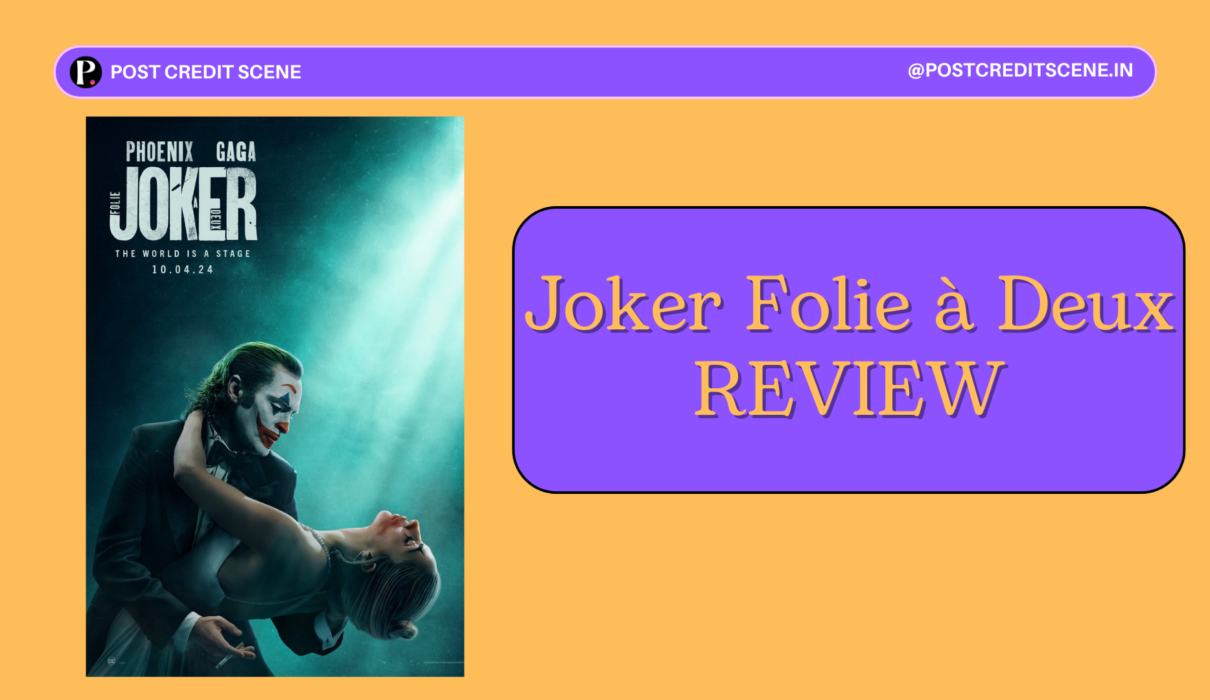
By In 2019, Todd Phillips’ Joker took the world by storm, offering a gritty, realistic take on Batman’s arch-nemesis. Now, five years later, we’re presented with its highly anticipated sequel, Joker: Folie à Deux. Much like its predecessor, this film defies expectations and pushes boundaries, but in entirely new and unexpected ways.
Plot and Setting
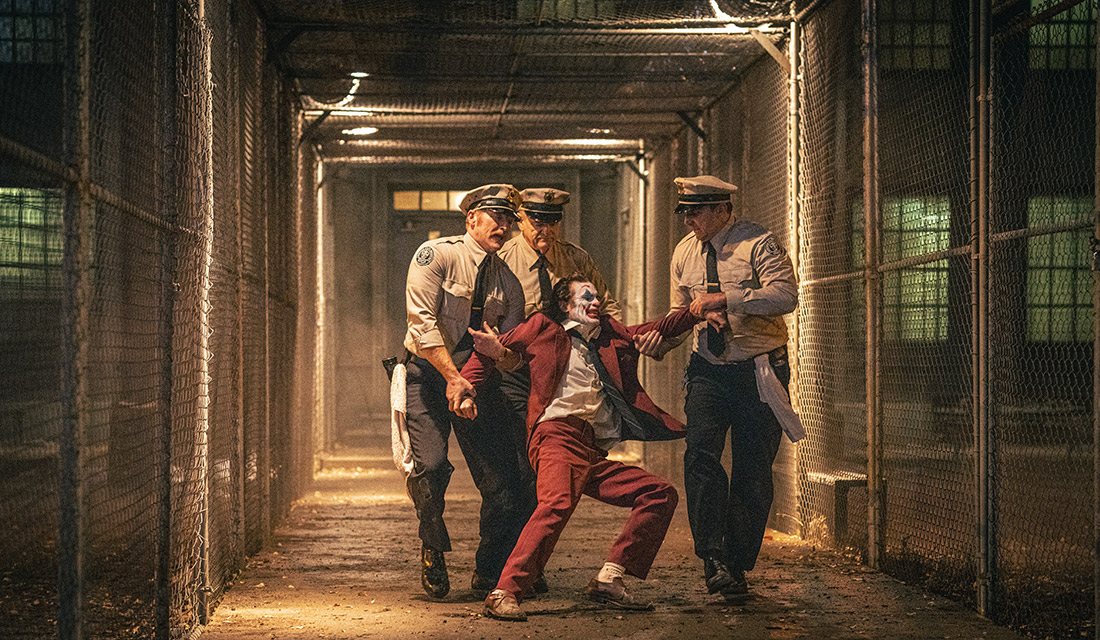
Joker: Folie à Deux picks up where the first film left off, with Arthur Fleck (Joaquin Phoenix) incarcerated in Arkham State Hospital. The movie immediately sets itself apart by hinting at a more complex psychological landscape. We’re led to question whether Arthur Fleck and The Joker are truly the same person or if they represent different personalities within a fractured psyche.
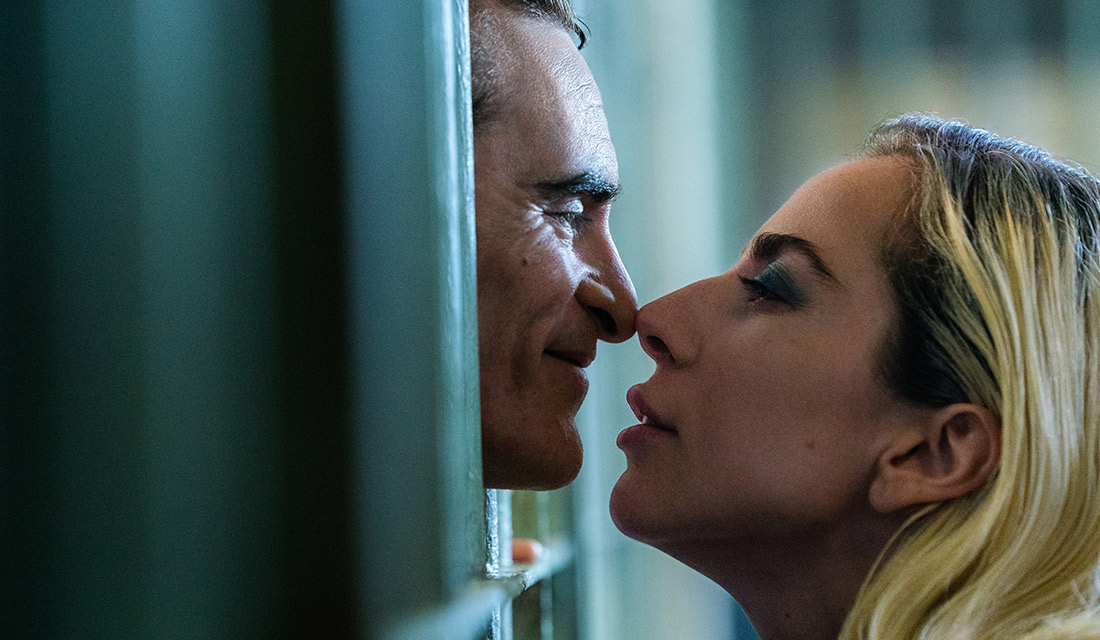
The film’s title, “Folie à Deux,” meaning “Madness of Two” in French, is a psychiatric term describing a mental disorder shared by two people. This concept forms the crux of the narrative as we’re introduced to Harley Quinn, known here as Lee Quinzel (Lady Gaga), who becomes deeply entwined in Arthur’s world.

The setting oscillates between the grim confines of Arkham and the chaotic streets of Gotham, with each location brought to life through stunning cinematography and production design. The visual style remains consistent with the first film, maintaining a sombre, retro aesthetic that perfectly captures the story’s tone.
Performance and Characters

Joaquin Phoenix once again delivers a tour de force performance as Arthur Fleck/Joker. His portrayal is nuanced, showing us the vulnerability of Arthur and the manic energy of the Joker, often blurring the lines between the two. Phoenix’s ability to switch between these personas is nothing short of mesmerizing.

Lady Gaga as Lee Quinzel/Harley Quinn is a revelation. She brings an intense emotional depth to the character. Far from being a mere sidekick or love interest, Gaga imbues Lee with a fierce independence and complex psychology that rivals Arthur Fleck’s own. Gaga’s performance is electric, skillfully balances vulnerability with a dangerous unpredictability, creating a character who is both sympathetic and unsettling. Lee is not just along for the ride in Arthur’s story; she’s a catalyst, actively shaping it and making decisions that significantly impact the plot’s direction.
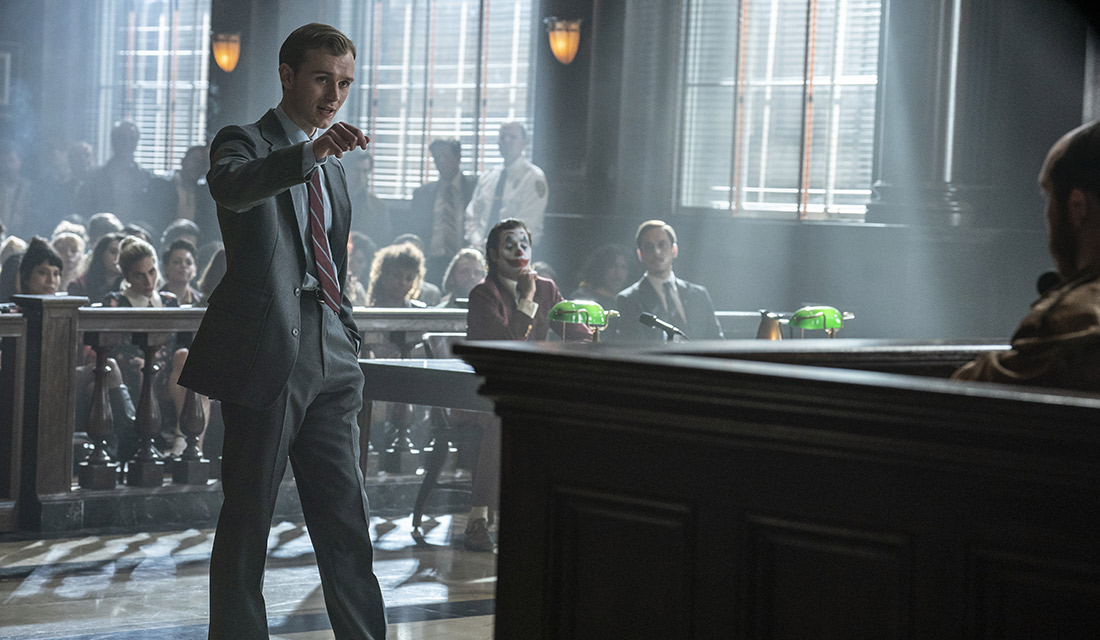
Unfortunately, not all characters fare as well. Harvey Dent, played by Harry Lawtey, feels underutilized and poorly written. This is a disappointment for fans hoping to see a meaningful portrayal of this iconic Batman character.
The Musical Element

Perhaps the most surprising aspect of Joker: Folie à Deux is its incorporation of musical elements. The film pays homage to classic Hollywood musicals of the 1960s, particularly the Rat Pack era. These musical sequences are used to delve deeper into the characters’ psyches, often blurring the line between reality and fantasy.
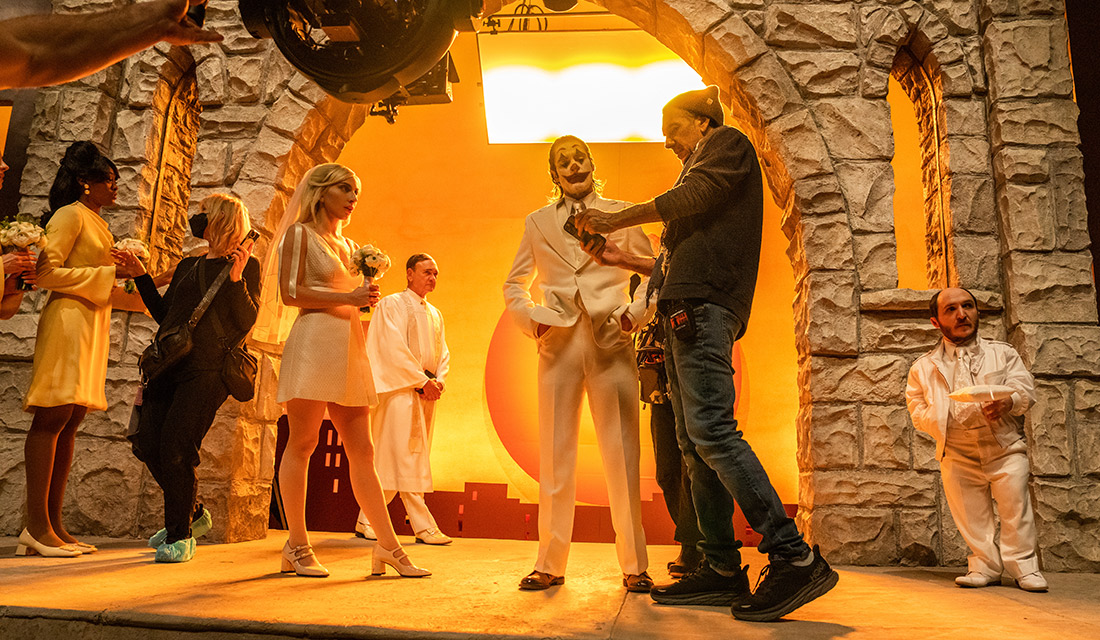
While some viewers might find this shift jarring, the musical numbers add a unique layer to the storytelling. They provide a new way for Arthur and Lee to express their emotions and inner turmoil. However, it’s worth noting that these sequences don’t always drive the plot forward, which may frustrate viewers looking for a more traditional narrative structure.
Themes and Subtext
Like its predecessor, Joker: Folie à Deux is rich with themes and subtext. The film explores the nature of reality versus delusion, the impact of love on a fractured mind, and the thin line between sanity and madness. It also continues to comment on societal issues, though perhaps less overtly than the first film.
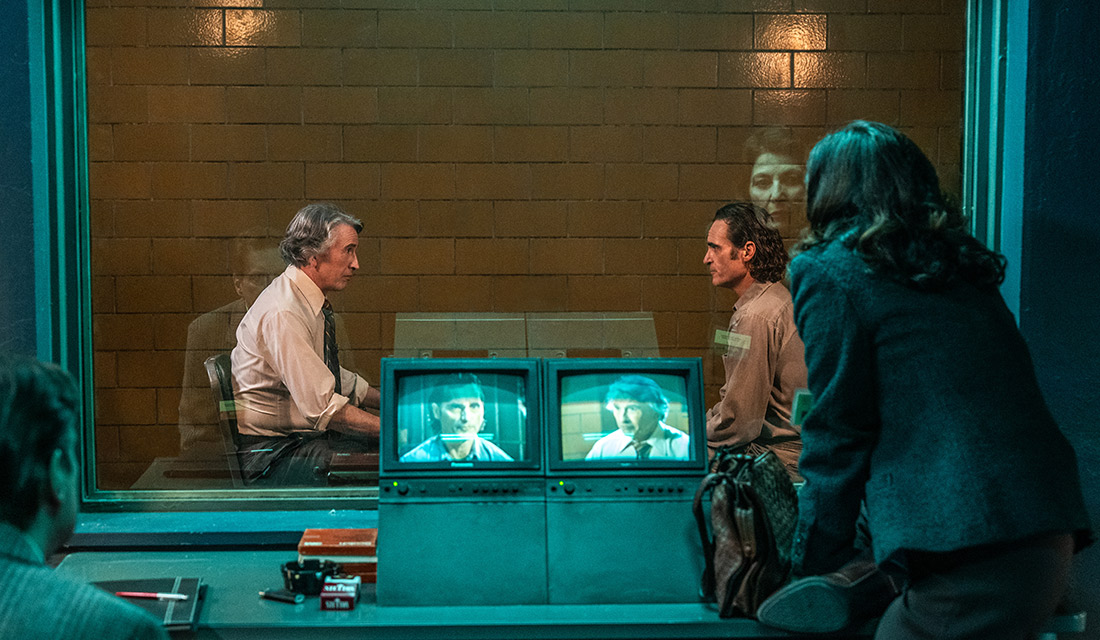
One of the most intriguing aspects is how the movie seems to challenge the audience’s perception of the first film. It raises questions about Arthur’s reliability as a narrator and the nature of the events we witnessed in the original “Joker.”
Technical Aspects
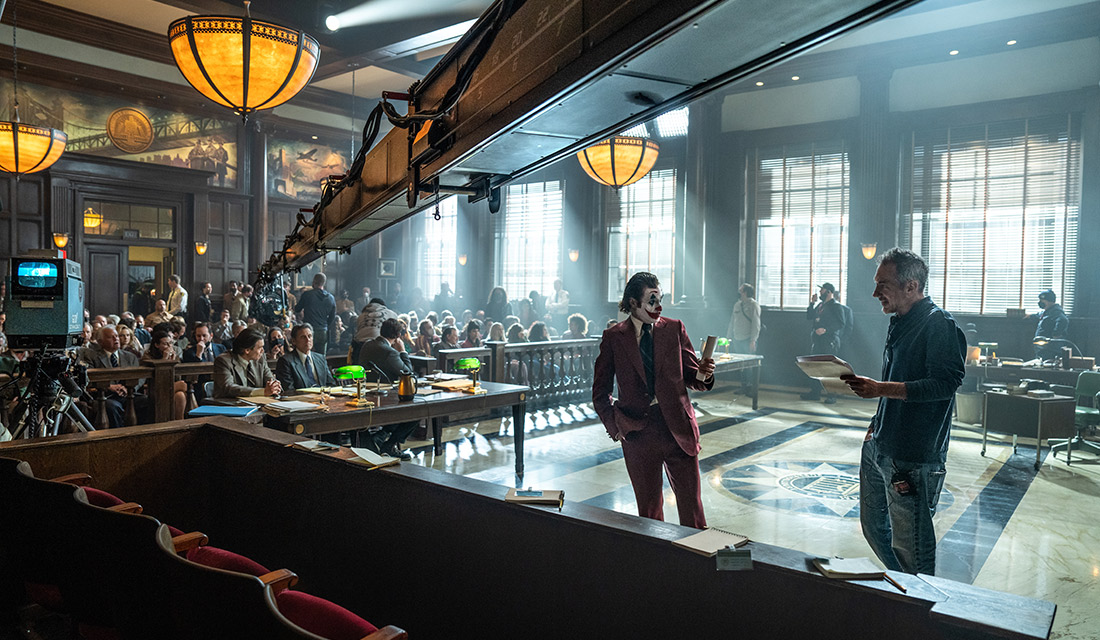
Technically, “Joker: Folie à Deux” is a masterpiece. The cinematography is stunning, with each frame meticulously composed. The use of colour and lighting creates an oppressive and oddly beautiful mood. The score, which blends elements from the first film with new musical themes, perfectly complements the on-screen action.
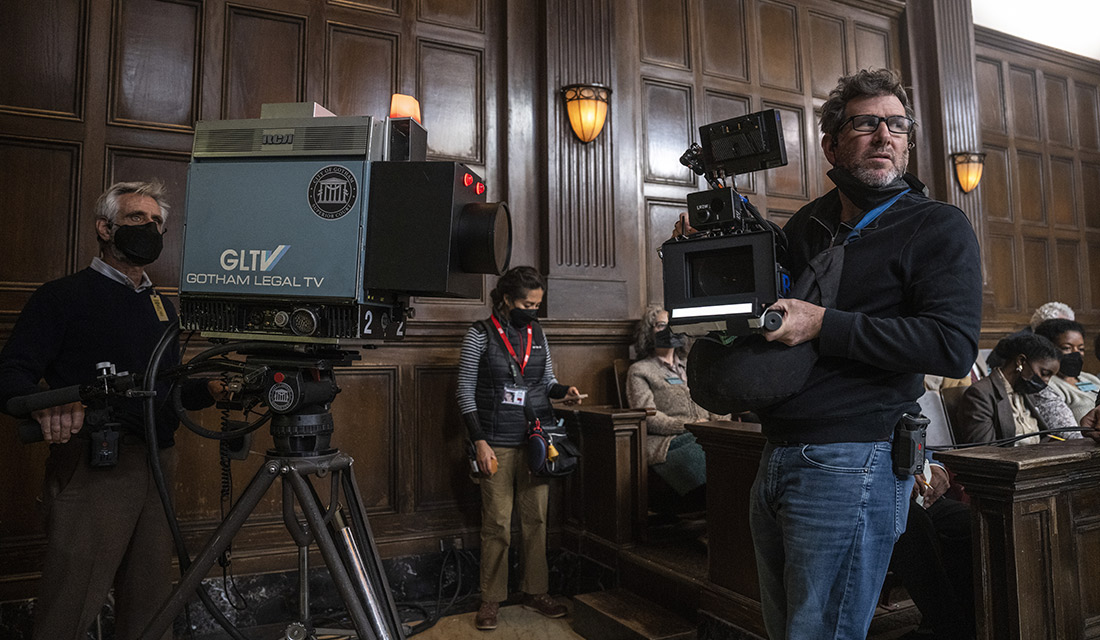
The editing deserves special mention, particularly in how it handles the transitions between reality and fantasy and the integration of the musical sequences. These elements could have easily become disjointed, but instead, they flow seamlessly, adding to the dreamlike quality of the film.
Conclusion

Joker: Folie à Deux is a bold, ambitious sequel that takes significant risks. It’s not content to simply rehash what made the first film successful but instead pushes into new territory. The addition of musical elements, the deeper exploration of Arthur’s psyche, and the introduction of Harley Quinn all serve to create a film that’s distinctly different from its predecessor.
However, these very elements that make the film unique may also divide audiences. Those expecting a straightforward continuation of the first film’s gritty realism may be taken aback by the surreal, musical aspects of this sequel. The tonal shifts and non-linear storytelling might also prove challenging for some viewers.
Despite these potential drawbacks, Joker: Folie à Deux is a cinematic experience. It’s a film that demands to be seen and discussed, one that will likely spark debates and analysis for years to come. Whether you end up loving or hating it, there’s no denying the film’s ambition and the sheer talent on display.
In the end, Joker: Folie à Deux serves as a fascinating exploration of madness, love, and the power of narrative. It’s a film that dances to its own tune, inviting viewers to join in its mad waltz through the streets of Gotham. While it may not reach the same heights as its predecessor, it is a unique and compelling piece of cinema in its own right.
Joker: Folie à Deux is a must-watch for those who appreciate daring filmmaking and are willing to approach it with an open mind. It may not be for everyone, but for those who connect with its unconventional approach, it offers a rich, complex, and unforgettable cinematic experience.
Rating: 4 out of 5 stars